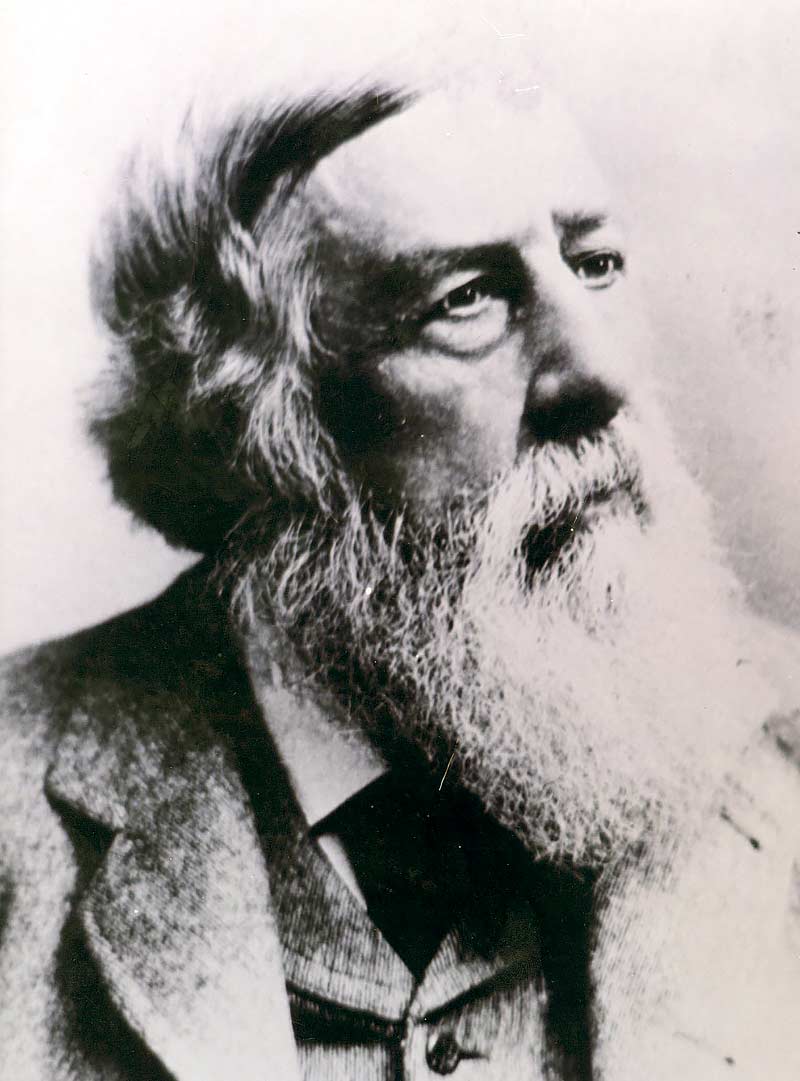
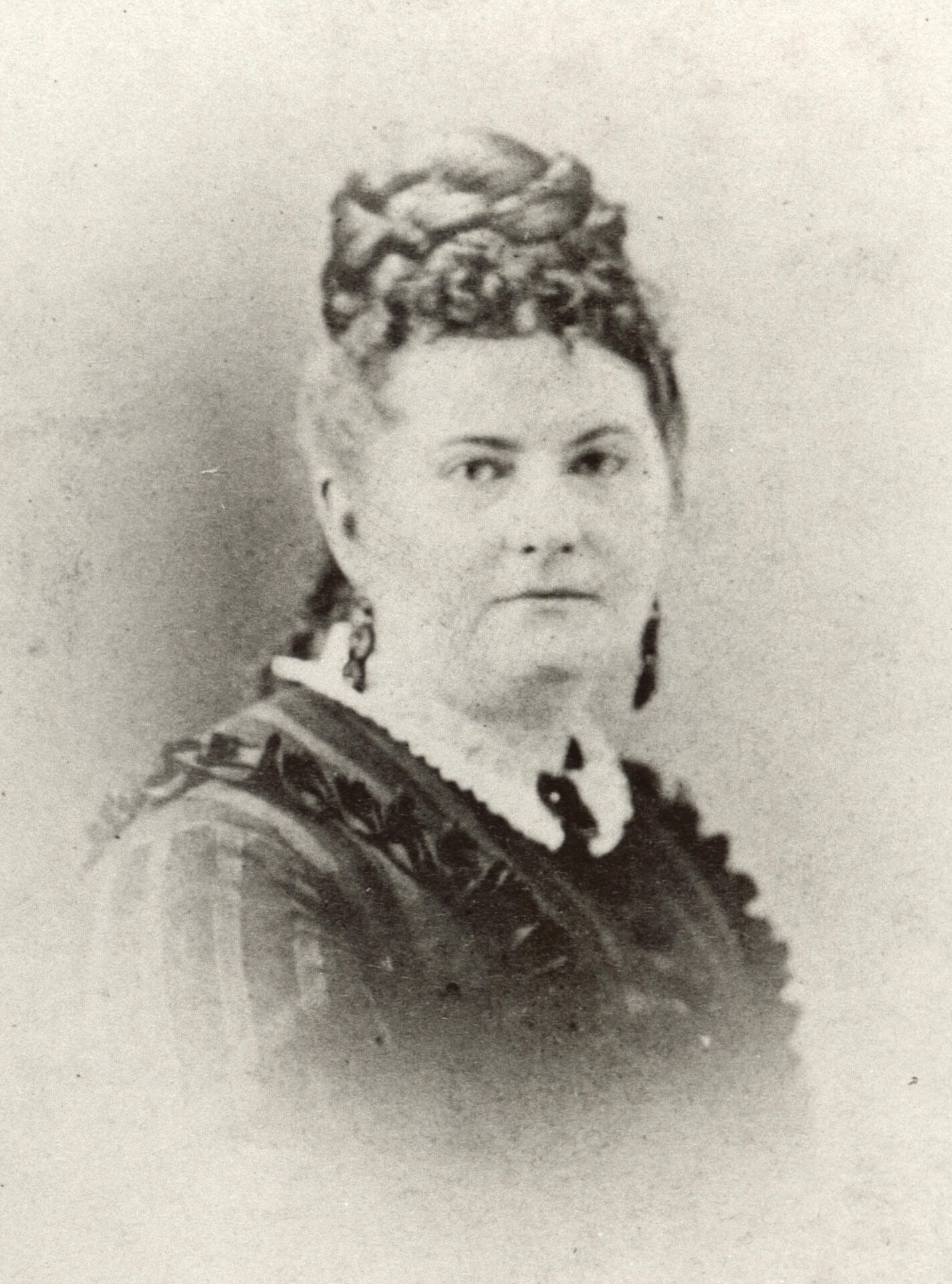
The Johnstons

William Butler Johnston was not the typical nineteenth-century Southerner. He obtained his substantial wealth through investments in banking, railroads, and public utilities rather than from the agrarian cotton economy of the time. In 1851, he married Anne Clark Tracy, a well-educated woman from a prominent Macon family, and the two embarked on an extended honeymoon to Europe. During their trip, the Johnstons visited hundreds of museums, historic sites, and art studios.
They collected fine porcelains, sculptures, and paintings as mementos of their Grand Tour. The Johnstons were inspired by the Italian architecture they observed, and upon their return to America, constructed a monumental Italian Renaissance Revival mansion in Macon today known as Johnston-Felton-Hay House.
The Feltons
In 1888, the Johnstons’ youngest daughter, Mary Ellen, married William H. Felton Sr., who would later become, at age 36, the youngest Superior Court judge in Georgia. During the Felton era, the family modernized the Johnston-Felton House by adding electricity and additional bathrooms. The home became the backdrop for an endless array of dances, card parties, luncheons, and lavish entertainments that reflected the spirit of the American Gilded Age. Following the deaths of Judge and Mrs. Felton, their only son, William H. Felton Jr., no longer wishing to live in the home, sold the property in December 1926 to P.L. Hay.
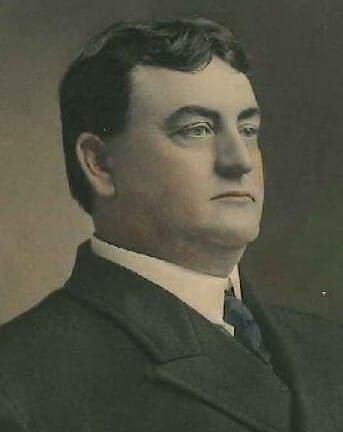
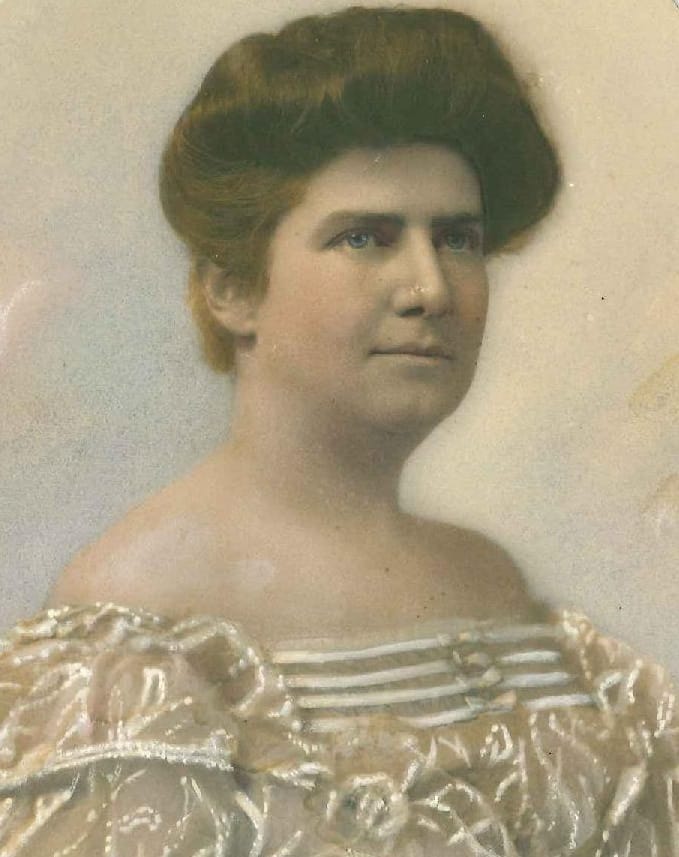
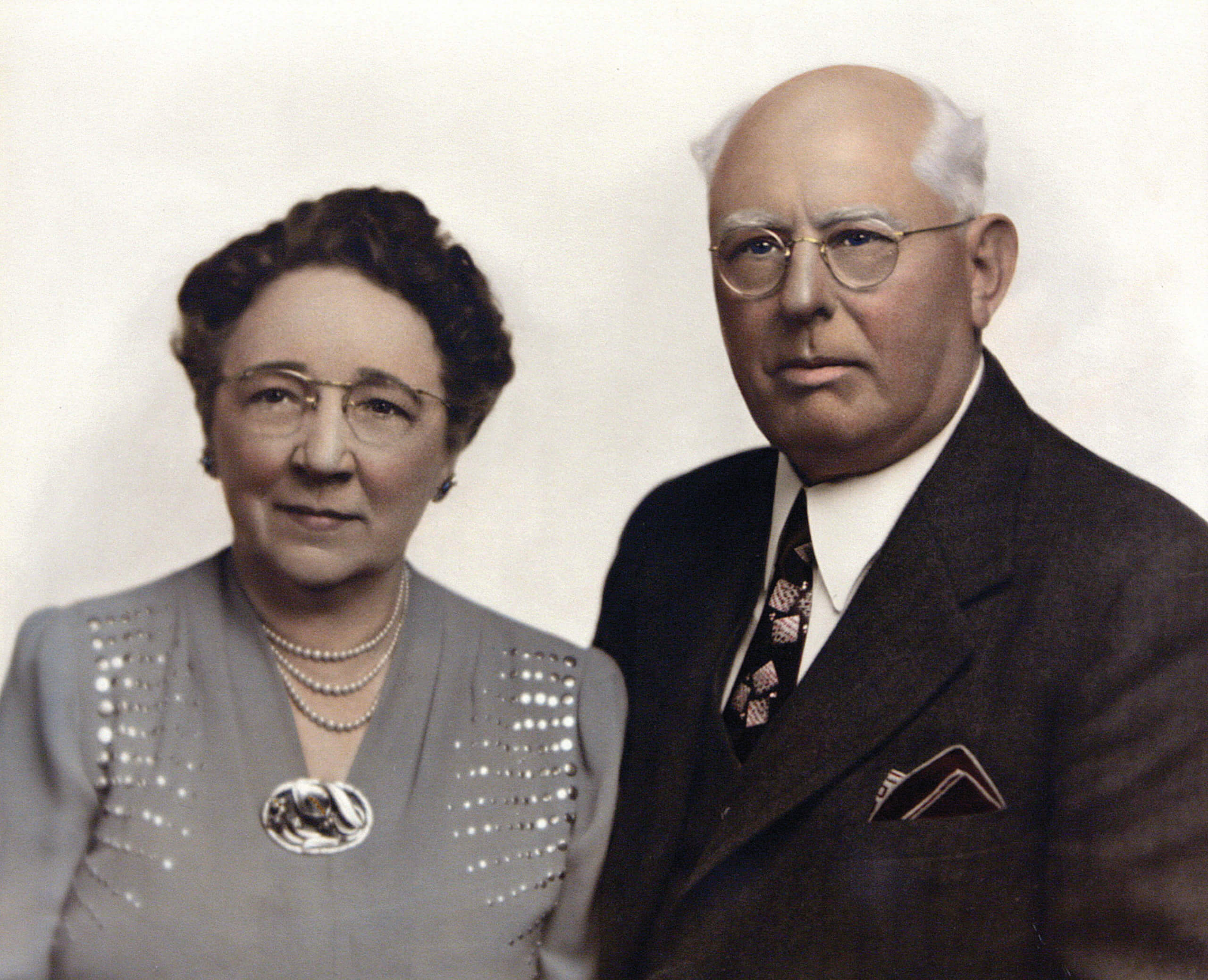
Maude Saxon Hay and Parks Lee Hay, Sr.
The Hays
Mr. Hay purchased the property in 1926 for $61,500 and moved in with his wife, Maude Saxon Hay, and their three youngest children – Parks Lee Jr., Elizabeth, and Vivian. During their ownership, the Hays substantially redecorated the home to reflect the changing character of twentieth-century living, and the residence at 934 Georgia Avenue remained a local landmark for gracious living.
Mr. Hay passed away in 1957, followed by Mrs. Hay in 1962. Their heirs established the P.L. Hay Foundation, and in 1964 the house opened to the public as a private museum, with tours led by Chester Davis, who had served as the family’s butler and chauffeur. In 1977, the P.L. Hay Foundation donated the property, its furnishings, and an endowment to the Georgia Trust for Historic Preservation. The Georgia Trust continues to operate, maintain, and restore Hay House today.
Enslavement & Servitude
In the 1860 U.S. Slave Schedule, William B. Johnston listed nine enslaved African Americans as his property. Though the Johnston family often used the term “servants,” these individuals were enslaved people whose labor sustained the household.
They lived in three dwellings on the west side of the property near Nisbit Place and Cherry Street and carried out the demanding work required to operate one of the nation’s most technologically advanced homes in 1859. Over more than a century, these enslaved individuals – and later Black staff employed after emancipation – were essential to the daily operations of the Johnston-Felton Hay House. Studies of census records and other documents have revealed some of their names, including Phoebe, Lydia, Fred, George, and Adeline.
Learn more about the people whose lives shaped Hay House in Untold Stories.
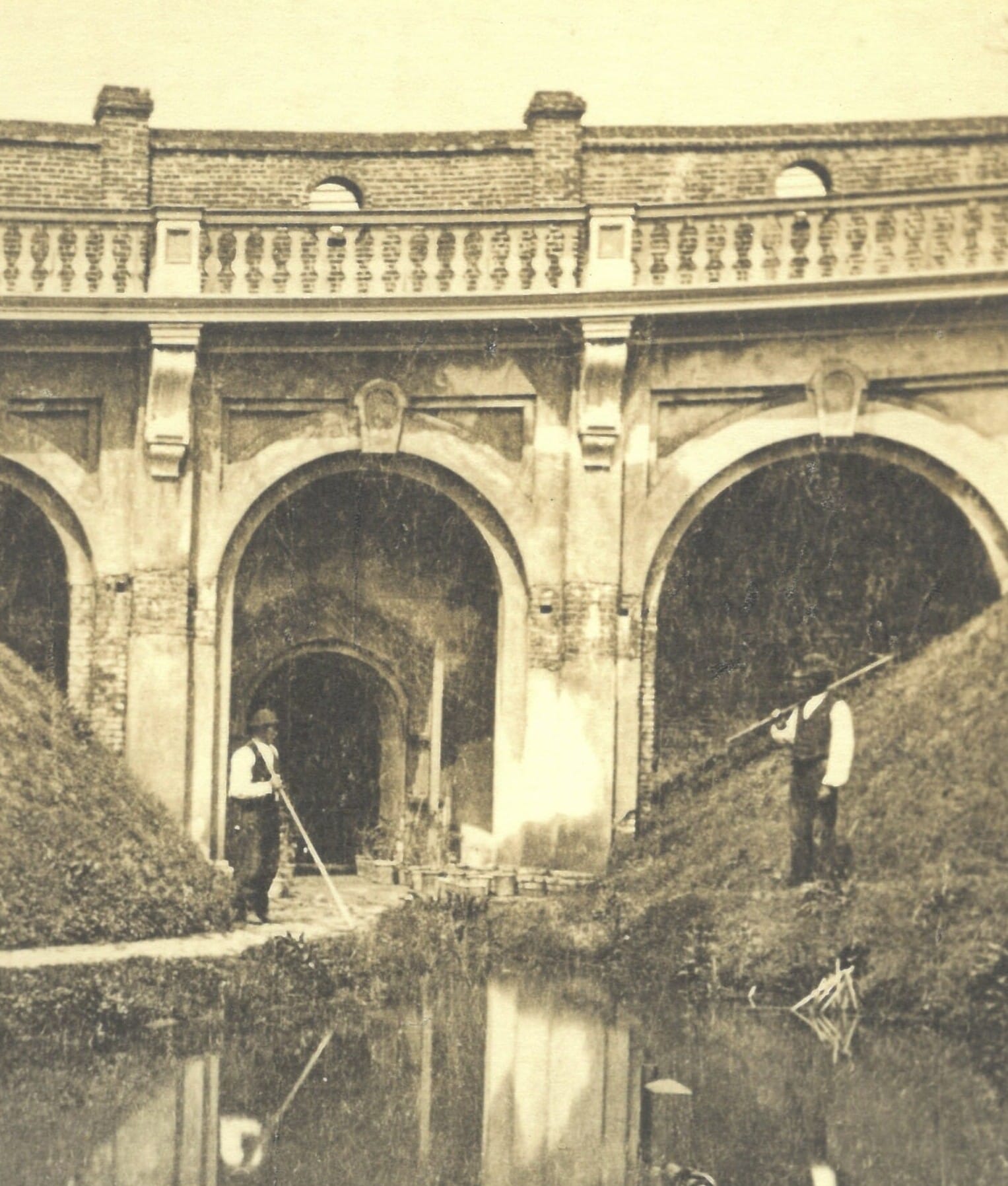
Men at Spring House